
Menu
Articles, General Information Part1
1. Modern biomarkers in prostate cancer diagnosis

Excerpt:
The most common malignant neoplasm of the urinary tract is prostate cancer (PCa), which is a heterogeneous disease, ranging from very slowly developing and slightly benign to progressing, aggressive, metastatic and fatal, even when properly treated. Existing, imperfect diagnostic methods often lead to over-diagnosis
2. What are T cells (T lymphocytes)?

Excerpt:
T cells are a type of white blood cell called lymphocytes. They’re also called T lymphocytes. Lymphocytes play an essential role in your immune system. Your immune system fights infection-causing pathogens (viruses, bacteria, fungi and parasites) and harmful cells, like cancer cells.
Your lymphocytes include T cells and B cells. Both types are part of your body’s defense. B cells make proteins called antibodies to fight pathogens. T cells protect you by destroying harmful pathogens and by sending signals that help control your immune system’s response to threats.
3. Fenbendazole: Questions Answered

Excerpt:
Fenbendazole: Questions Answered, Things to Know, Useful Tips – Ben Fen
Readers ask a variety of questions regarding the use of Fenbendazole. This article is mainly a result of those questions and has been in the hopper for quite a while. It is long overdue as it contains items of
4. What is a lymph node?
Excerpt:
Lymph nodes are bean-shaped areas of tissue that filter fluid in your body (lymph) for harmful substances or cells. Immune cells in lymph nodes remove germs, damaged cells and cancer cells. Lymph moves from lymph vessels to lymph nodes for filtering before the fluid goes back into your blood
5. What is the blood-brain barrier?
Excerpt:
Though the name includes the word “barrier,” it’s really more of a filter and behaves like a gatekeeper to your brain. It’s there to keep harmful things out and hold helpful things in. It also controls how various chemical molecules (including compounds your body needs or makes itself) enter and exit your brain
6. Fenbendazole.org

Excerpt:
Fenbendazole for human parasites
Fenbendazole is a versatile medication frequently prescribed to treat parasitic infections in both animals and humans. It’s categorized under the benzimidazole group of drugs. Its primary function is to disrupt
7. What are parasites?

Excerpt:
A parasite is an organism that lives in or on another organism, which is called the host. Through this interaction, the parasite receives benefits, such as nutrients, at the expense of the host.
There are three types of parasites:
- Protozoa. These are single-celled organisms that are able to grow and multiply within the host. Examples include Plasmodium species and Giardia species, which can cause malaria and giardiasis, respectively.
- Helminths. Helminths are larger wormlike parasites. Examples include roundworms and flatworms.
- Ectoparasites. Ectoparasites include organisms such as lice, ticks, and mites, which can attach to and live on the body of a host.
8. Fenbendazole and Ivermectin?
Is a combination of Fenbendazole and Ivermectin a real cancer killer?
Excerpt:
I am increasingly asked by cancer patients about the combination of anthelmintic Fenbendazole (FenBen), with or without Mebendazole (MBZ) and insecticide Ivermectin (IVM) against cancer (first written Feb 2021, Chris Woollams)
Importantly, these patients aren’t the usual stage 2 cancer patients for whom conventional medicine still has a long way to go. These belong to two distinct groups.
* First, there are older patients whose lung cancer, endometrial cancer or prostate cancer has returned since the pandemic and they feel that conventional medicine (which they had before) didn’t work before, so why would it work next time? They subscribe to Einstein’s definition of insanity – doing the same thing over and over again and expecting a different result.

9. What are cancer stem cells?
Excerpt:
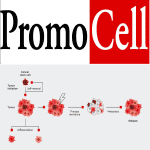
Cancer stem cells are rare, immortal cells within tumors that display the hallmark characteristics of stemness.1 Stemness refers to the ability of cells to self-renew, give rise to differentiated cells, and interact with their environment to maintain a balance between quiescence, proliferation, and regeneration.1,2 CSCs can self-renew through cell division while simultaneously generating the different cell types that constitute a tumor.3
10. Androgen Deprivation Therapy
The Effect of Androgen Deprivation Therapy on Periodontal Disease in Men With Prostate Cancer
Excerpt:
The prevalence of periodontal disease was 80.5% in men on androgen deprivation therapy compared with 3.7% in those not on androgen deprivation therapy (OR 3.33, 95% CI 1.07–10.35). Men on androgen deprivation therapy had significantly greater probing depth and higher plaque scores (p <0.001 and <0.09, respectively). A total of 81 men (76.9%) completed bone mineral density examinations. There was no relationship between bone mineral density and periodontal disease.
11. The Truth About PSA Testsing
The Truth About PSA Tests and Prostate Cancer Screening
Excerpt:
While the benefits of screening tests for cervical cancer, breast cancer, and colorectal cancer are widely accepted, screening for prostate cancer remains controversial to some.
The main screening tool for prostate cancer is the PSA test, which measures levels of a protein called prostate-specific antigen (PSA) in the blood. Although PSA screening has been shown to reduce deaths from prostate cancer, it also finds cancers that have a low chance of spreading. This is not only very stressful for men but can lead to unnecessary treatments, such as surgery or radiotherapy.

12. RELIABLE INFORMATION
BRINGING HOPE, RELIABLE INFORMATION AND RESOURCES TO HELP YOU…
Excerpt:
This website was created by a husband and wife team who have both defeated cancer (16 years and 21 years post-cancer diagnosis respectively). It aims to sweep together information on cancer from reliable sources to aid anyone affected by it to get a better understanding of it.
It provides the latest research into means of avoiding or curing cancer. And, most of all, it is intended to give those battling cancer hope and encouragement.

13. Success and Failure of Single-Modality
Success and Failure of Single-Modality Treatment for Early Prostate Cancer
Excerpt:
Many men who undergo radical prostatectomy or radiotherapy for early prostate cancer have an excellent outcome; however, a significant proportion subsequently experience disease recurrence and/or cancer-related death. Adjuvant hormonal therapy after treatment of curative intent is given with the aim of eradicating undetected cancer cells outside the surgical margins or radiation field and/or micrometastatic disease. In the analogous setting of early breast cancer, adjuvant hormonal therapy is already established as standard care. Efficacy and tolerability data from the ongoing bicalutamide (‘Casodex’) Early Prostate Cancer program are expected to determine the role of adjuvant hormonal therapy with antiandrogens in early prostate cancer.
14. 7 Mistakes With Fenbendazole
7 Mistakes People Make With Fenbendazole (and how to avoid them)
Excerpt:
Using Fenbendazole Wisely: What Everyone Should Know
Fenbendazole has been talked about widely, from online communities to small patient groups searching for new options. For some, it represents hope; for others, curiosity. But as with any approach, how it’s used matters just as much as whether it’s used at all.
Over the years, many people have tried fenbendazole in different ways. Some have done well, others have run into avoidable problems. The difference often lies not in fenbendazole itself, but in the way it’s taken.
15. How to shrink the prostate Naturally
Food to eat and limit for an Enlarged Prostate
Excerpt:
Can what you eat improve your prostate health? Absolutely, and here’s why: first, because what you eat affects virtually every component of your health and every part of your body.
But to be more specific, research has shown that numerous dietary factors can have either a positive or negative impact on your prostate health.
16. Benign prostatic hyperplasia.
It is also called an enlarged prostate
Excerpt:
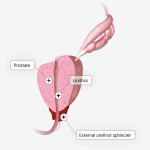
Benign prostatic hyperplasia (BPH) is a health issue that becomes more common with age. It’s also called an enlarged prostate. The prostate is a small gland that helps make semen. It’s found just below the bladder. And it often gets bigger as you get older.
18. How to shrink the prostate Naturally
7 Effective Natural Remedies
Excerpt:
Natural remedies for enlarged prostate have garnered increased attention among men seeking evidence‐based alternatives to conventional treatments for benign prostatic hyperplasia (BPH). Many are exploring these natural solutions to alleviate urinary symptoms, improve overall prostate health, and complement standard medical advice. For additional insights on managing prostate-related concerns, consider reviewing our comprehensive guide on natural remedies for enlarged prostate.
Random thoughts written by Norby!
How to loose weight with fasting.
Finally I learned how to loose weight in a way that is moving me in the direction I want to go.
Fasting for 12 hours is the way to go for me.
This sounds like a long time, but if you think closely, it is only four hours in the morning plus 8 hours sleeping time. During the sleeping time we are loosing all the weight anyway. Check your body weight in the evening and in the morning. See the difference?. By starting in the evening and not eat anything after 10pm. What it takes is your willingness to make a positive statement that you will do it. You just wait, delay your breakfast in the morning and start eating after 10am.
WATCH YOUR HABITS CAREFULLY!
Sometimes I just eat a candy without thinking and afterward I noticed that I did not keep my promise not to eat during my fasting period. Each time I do that, I tell myself “I am in my fasting cycle and will NOT do that again”. After a while it is getting easier and it is OK to wait for my 12 hours to be over.
People in the know? (Joke)
People will tell you that the most important meal of the day is the breakfast, the lunch, tea time, supper time including dessert and at 11:59pm a small snack of 1100 calories before bedtime to make sure you never go hungry to bed. If you still feel hungry during the night, just get another tiny dessert, you deserve it. That makes sense to me, why wait until breakfast. You will be starting with the fasting cycle the next day anyway.
Try Fasting out and see if that idea works for you.
Norby
Random thoughts written by Norby!
Needs to be written
Norby